Trauma and Relationships: Why You Push People Away Even When You Don’t Want To
Relationships are meant to be places where we feel safe, supported, and understood. Yet for many people who have experienced trauma, relationships can also become one of the most difficult parts of life to navigate.
You may deeply want connection while simultaneously feeling the urge to pull away whenever someone gets too close. You may find yourself ending relationships, avoiding vulnerability, shutting down during conflict, or convincing yourself that you are better off alone. Afterwards, you may wonder why you acted that way, especially if it cost you a relationship you genuinely cared about.
If this sounds familiar, you are not alone. Many trauma survivors experience this confusing push-and-pull between wanting closeness and fearing it. These patterns are not signs that you are incapable of love or healthy relationships. More often, they are protective responses that developed after experiences where trust, safety, or emotional security were broken.
Understanding why trauma affects relationships can be the first step toward building healthier and more fulfilling connections.
Trauma Changes the Way We Experience Safety
Trauma does more than leave behind painful memories. It changes how the brain and nervous system respond to the world.
When someone experiences abuse, neglect, violence, betrayal, or another overwhelming event, the brain becomes focused on survival. It learns to detect potential danger quickly, even when the threat no longer exists.
While this response can be lifesaving during traumatic experiences, it can continue long after those experiences have ended. The nervous system may struggle to recognize when a relationship is actually safe.
Instead of seeing closeness as comforting, it may interpret intimacy as something risky or unpredictable.
As a result, your mind and body may encourage you to create distance, even from people who genuinely care about you.
Why You Push People Away Without Realizing It
Many people assume pushing others away is a conscious decision. In reality, it often happens automatically.
You might notice yourself becoming emotionally distant after someone expresses affection. You may stop responding to messages, cancel plans, avoid difficult conversations, or convince yourself that the relationship is not right.
Sometimes these behaviors happen because vulnerability feels dangerous.
Opening up emotionally means allowing another person to see your fears, insecurities, and needs. If those needs were ignored, criticized, or used against you in the past, your nervous system may try to protect you from experiencing that pain again.
The goal is not to sabotage relationships. The goal is to avoid getting hurt.
Unfortunately, these protective behaviors often create the very loneliness people are trying to avoid.
Fear of Being Hurt Again
One of the strongest effects of trauma is the fear that history will repeat itself.
If someone betrayed your trust, manipulated you, abandoned you, or made you feel unsafe, your brain naturally wants to prevent that from happening again.
This can lead to thoughts like:
“I shouldn’t depend on anyone.”
“If they really knew me, they would leave.”
“It’s safer if I end this before they can hurt me.”
These beliefs often develop without conscious awareness. They become assumptions that quietly shape how you approach relationships.
Even when you meet caring, trustworthy people, these fears can remain active beneath the surface.
You May Expect Rejection Before It Happens
Trauma often teaches people to expect disappointment.
Because of past experiences, you may assume that rejection is inevitable.
A delayed text message suddenly feels like someone losing interest.
Constructive feedback feels like personal criticism.
A disagreement feels like the beginning of the end.
Instead of seeing isolated situations, your nervous system connects them to previous experiences where conflict led to emotional pain.
This is not because you are overly sensitive.
It is because your brain is trying to predict and prevent future harm based on what it has learned.
Emotional Withdrawal Can Feel Safer Than Vulnerability
For some trauma survivors, the safest option feels like emotional independence.
Rather than asking for support, they handle everything themselves.
Rather than expressing sadness or fear, they keep those emotions hidden.
Rather than relying on others, they convince themselves they do not need anyone.
From the outside, this may look like confidence or strength.
Inside, however, it often feels lonely.
The desire for connection never truly disappears. It simply becomes buried beneath layers of self-protection.
Why Conflict Feels So Overwhelming
Healthy relationships involve disagreements.
For someone with unresolved trauma, however, conflict can feel much bigger than the situation itself.
A simple misunderstanding may trigger intense anxiety, panic, or emotional shutdown.
Some people become defensive.
Others immediately apologize, even when they have done nothing wrong.
Some leave the conversation entirely because staying feels emotionally unbearable.
These reactions often come from earlier experiences where conflict led to emotional abuse, rejection, punishment, or unpredictability.
Your nervous system remembers those experiences, even if your current relationship is very different.
Trauma Can Make You Question Your Own Worth
Many trauma survivors carry deep beliefs about themselves that developed during painful experiences.
You may believe:
“I’m too much.”
“I’m not enough.”
“No one will truly love me.”
“I’m difficult to be around.”
These beliefs influence how you interpret relationships.
Even when someone offers kindness, affection, or reassurance, it can be difficult to believe them.
Instead, you may search for evidence that confirms your fears.
This creates a cycle where healthy relationships become difficult to fully trust.
Healthy Relationships Can Feel Uncomfortable at First
One surprising aspect of trauma recovery is that healthy relationships can initially feel unfamiliar.
If chaos, unpredictability, or emotional inconsistency were normal growing up, stability may actually feel strange.
You may wonder why a calm relationship feels “boring.”
You may become suspicious when someone consistently treats you with kindness.
You may wait for something bad to happen because your nervous system expects it.
This does not mean the relationship is unhealthy.
It often means your brain is adjusting to a different experience than what it has known before.
Learning to feel safe can take time.
Healing Relationship Patterns Through Trauma Therapy
One of the most encouraging things about trauma is that these relationship patterns are not permanent.
The brain and nervous system have the ability to change throughout life.
Trauma-informed therapy helps people understand why these patterns developed while creating new experiences of safety and connection.
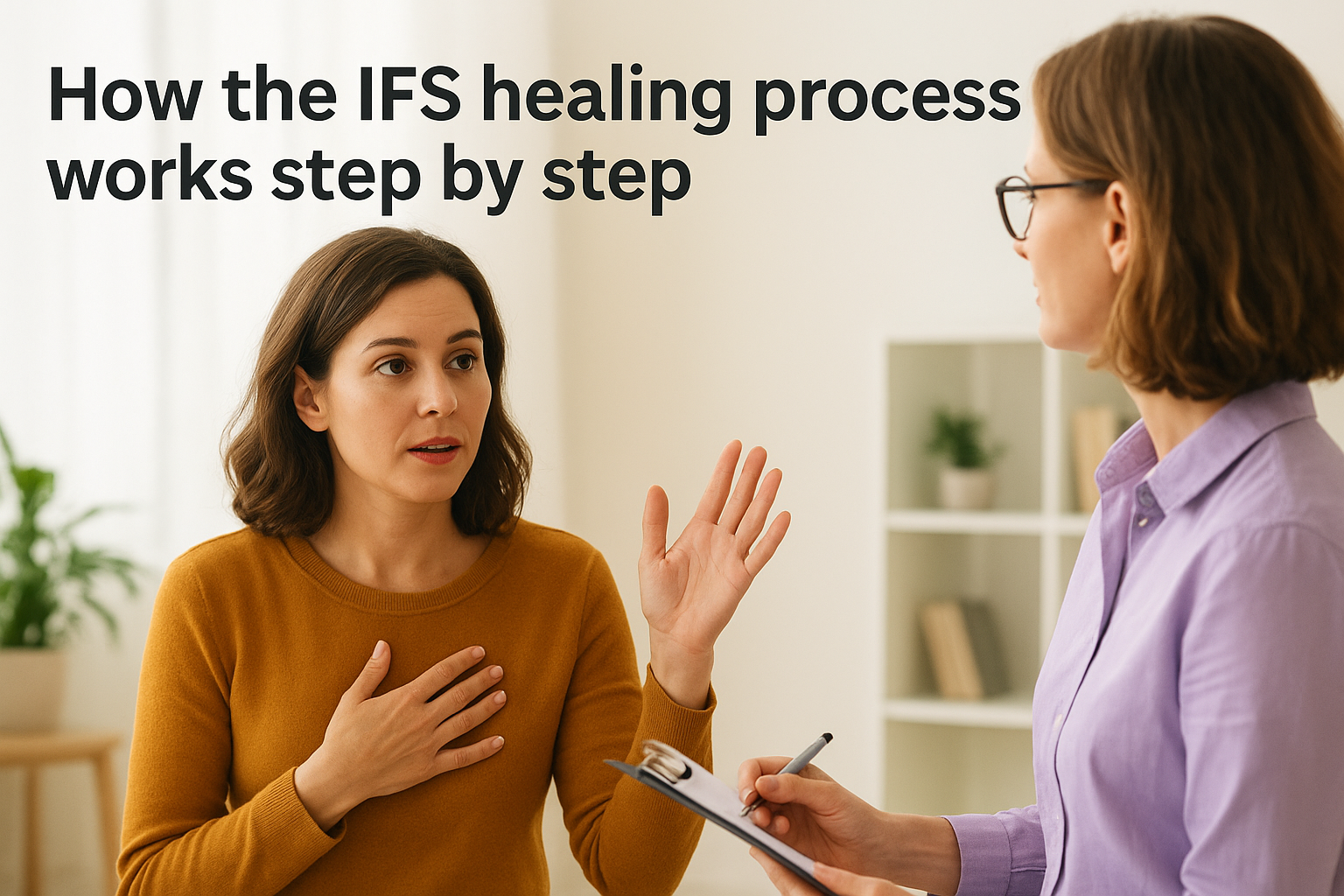
Approaches such as Eye Movement Desensitization and Reprocessing (EMDR) help process traumatic memories that continue to influence present-day relationships.
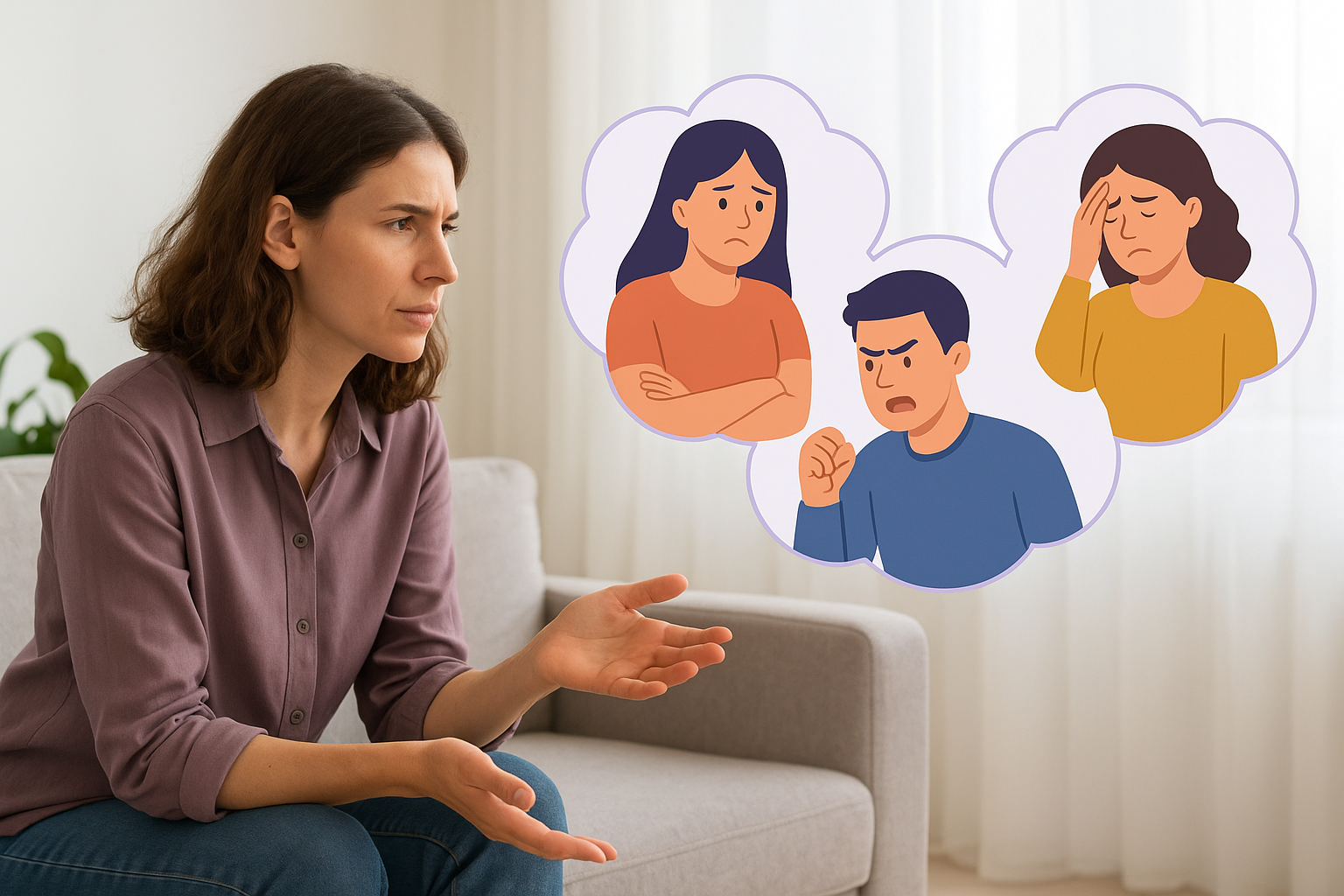
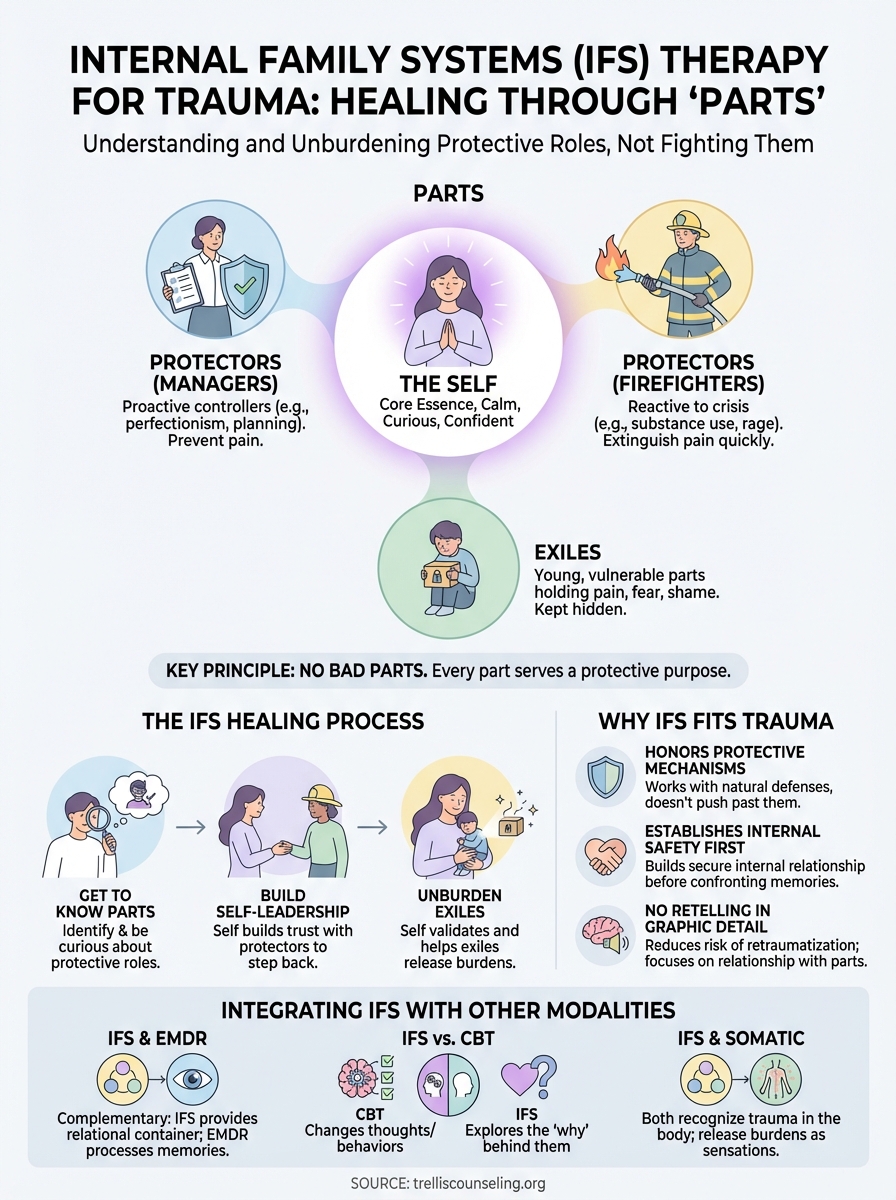
Internal Family Systems (IFS) therapy helps people understand the different protective parts of themselves, including the part that pushes others away in order to prevent future pain.
Rather than criticizing these protective behaviors, therapy approaches them with curiosity and compassion.
As healing takes place, people often discover they can remain connected during difficult conversations, express their needs more openly, and trust others more comfortably.
Healing Does Not Mean Becoming Fearless
Healing from trauma does not mean you will never feel afraid again.
It means fear no longer controls your decisions.
You become better able to recognize when your nervous system is reacting to the past rather than the present.
Instead of automatically withdrawing, you learn to pause.
Instead of assuming rejection, you become curious.
Instead of believing you have to face everything alone, you begin allowing trusted people to support you.
These changes happen gradually through consistent practice, self-awareness, and compassionate support.
You Deserve Relationships That Feel Safe
If you have spent years wondering why relationships feel harder for you than they seem to for others, there is hope.
Your reactions make sense when viewed through the lens of trauma. They are not character flaws. They are survival strategies that once helped protect you.
The encouraging news is that survival strategies can evolve.
At Trellis Counseling, we help teens and adults throughout Oregon explore how trauma affects relationships and emotional well-being. Through trauma-informed approaches such as EMDR and Internal Family Systems (IFS), we work alongside clients to build greater self-understanding, healthier relationships, and a stronger sense of safety.
You do not have to keep repeating the same relationship patterns forever. Healing is possible, and healthier, more connected relationships can become part of your future.